
By Michael Phillips | VABayNews
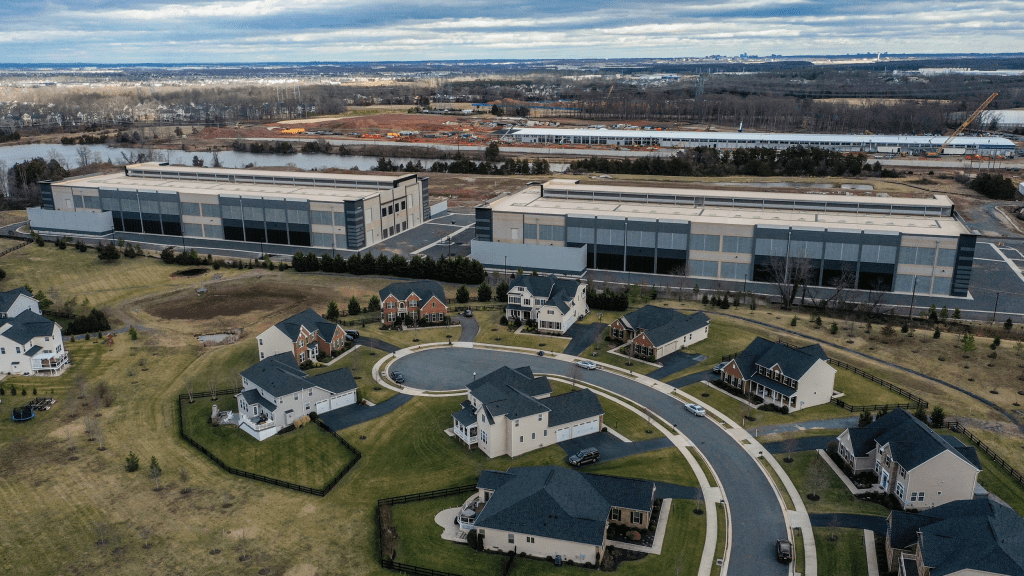
Henrico County is experiencing one of the most significant economic shifts in its modern history. Massive data centers—powered by the explosive growth of cloud computing, AI, and e-commerce—are transforming once-quiet pockets of the county into high-demand commercial corridors. With billions of dollars in taxable infrastructure investments pouring in, Henrico is emerging as one of the East Coast’s most attractive tech-hub destinations.
But as Realtor.com reported this week, the county is also confronting a rising chorus of concern: How can Henrico capitalize on its data-center gold rush while ensuring the region still offers affordable places for ordinary Virginians to live?
It’s a question now echoing across Central Virginia—where development pressures, housing shortages, and escalating land values are putting local policymakers in a tough spot.
Henrico’s Economic Surge: Tech Investment at Historic Scale
Over the past decade, Henrico County has aggressively courted the technology and data-infrastructure sector. Thanks to:
- Ready access to Richmond’s electric grid
- Proximity to the Mid-Atlantic fiber backbone
- Available industrial-zoned land
- A streamlined county permitting process
Henrico has secured billions in commitments from major private-sector players. These facilities bring substantial tax revenues—often far exceeding what traditional retail or residential development can produce.
These revenues help keep existing property taxes lower, support schools, improve services, and fund infrastructure without placing additional burdens on homeowners.
But the very growth that is boosting county coffers is also reshaping the local housing landscape.
Land Competition: Data Centers vs. Housing
As Henrico’s industrial land becomes more valuable, developers face mounting pressure to convert open land into high-revenue data centers rather than residential communities. Realtor.com highlights a key local worry:
Every acre that becomes a server farm is an acre that won’t become affordable homes.
Henrico officials recognize the tension. The county recently adopted a new housing initiative that aims to preserve affordability options for workers, first-time buyers, seniors, and families priced out of fast-changing neighborhoods.
The challenge is structural:
- Data centers pay more in taxes.
- They require fewer county services.
- They place minimal strain on schools, roads, and public safety.
In short: From a financial standpoint, data centers are a near-perfect deal for local governments.
But from a community standpoint—especially one facing rising rents—the deal carries tradeoffs.
Housing Costs Are Rising, Even Outside Richmond’s Urban Core
Henrico’s average home price and rental rates have increased consistently over the past five years. A combination of factors is driving the trend:
1. Limited Inventory
More Virginians are relocating to Central Virginia as Northern Virginia and Hampton Roads grow more expensive.
2. Investment Pressure
Commercial buyers, including data-center developers, can outbid housing developers for land.
3. Post-COVID Migration
Remote workers and retirees seeking affordability and space continue to move into Henrico.
This leaves many long-time residents—teachers, county employees, service workers, young families—wondering whether they’ll be able to afford to stay.
County Leaders Say They Can Do Both—If Planning Is Strategic
Henrico officials argue that the region doesn’t have to choose between tech-sector growth and building attainable housing. But success depends on targeted planning.
According to the county’s latest initiatives, Henrico is prioritizing:
- Mixed-income developments
- Accessory dwelling units (ADUs)
- Redevelopment of underused commercial areas into housing
- Transit-oriented housing near new and expanded bus routes
- Partnerships with nonprofit affordable-housing organizations
The big missing piece?
Identifying enough land that isn’t already swallowed up by lucrative industrial uses.
The Debate: Should Data Centers Contribute More to Housing Funds?
Some housing advocates in Henrico and across Virginia are asking whether counties should require data-center developers to help fund local affordable-housing programs—similar to proffers or community-benefit agreements.
Proponents say:
- Data-center megaprojects dramatically increase land values.
- Those rising values price out many local residents.
- Tech companies could easily offset these costs through modest contributions.
Opponents counter:
- Burdening data centers may push investment to other states.
- Counties risk losing high-value tax revenue.
- The private sector shouldn’t be penalized for market realities.
As the county continues to approve major developments, this debate is likely to intensify.
Why This Matters for Henrico Residents
For working families, renters, and first-time buyers, the stakes are high. Henrico risks becoming another cautionary tale where economic growth outpaces housing growth, leading to:
- Longer commutes
- Higher rents
- Workforce shortages
- Displacement of long-time residents
- Increasing inequality
Yet data centers provide enormous economic benefits—benefits that, if leveraged correctly, could help fund the very housing solutions citizens are asking for.
The challenge isn’t choosing between progress and affordability.
It’s crafting a framework where both can coexist without sacrificing the character and accessibility of the community.
The Path Forward
Henrico’s leaders face a complex balancing act:
- Welcome transformative tech investment without pricing out the people who built the county.
- Grow tax revenue without narrowing the options for working families.
- Encourage innovation without undermining housing stability.
The coming months—especially as new zoning decisions, development proposals, and housing initiatives advance—will reveal whether Henrico can strike a sustainable balance.
Residents, businesses, and policymakers alike will need to remain engaged to ensure the county’s future is both economically strong and livable for every Virginian who calls it home.
 Virginia Bay News