
A newly filed lawsuit over “forever chemical” contamination in Virginia waterways is putting renewed pressure on federal and state regulators—while also raising difficult questions about regulatory timing, taxpayer costs, and accountability.
The conservation group Wild Virginia filed suit this week against the U.S. Environmental Protection Agency in the U.S. District Court for the Eastern District of Virginia. The group alleges the EPA violated the Clean Water Act by approving Virginia’s 2024 water quality report despite documented PFAS contamination in rivers and streams.
PFAS—short for per- and polyfluoroalkyl substances—are synthetic chemicals used for decades in products such as firefighting foam, nonstick cookware, and water-resistant materials. Because they persist in the environment and the human body, they have become a growing public health concern nationwide.
What the lawsuit claims
Wild Virginia argues that Virginia regulators and the EPA already have sufficient authority under existing “narrative” water quality standards to designate contaminated waterways as impaired—without waiting for finalized federal numeric limits. Such a designation would trigger mandatory cleanup plans known as Total Maximum Daily Loads (TMDLs).
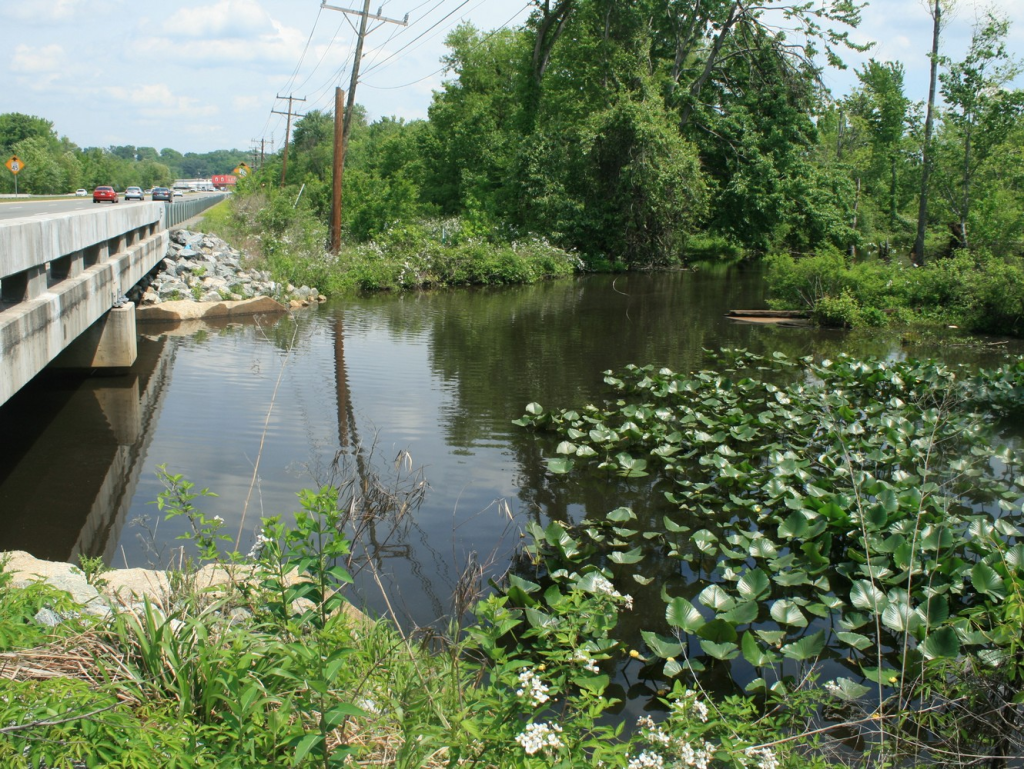
At the center of the lawsuit is the Chickahominy River watershed, including White Oak Swamp, where PFAS were detected as early as 2021 during source-water testing by Newport News Waterworks. In May 2025, the Virginia Department of Health issued a fish consumption advisory after PFOS levels were found high enough to pose health risks. Despite that advisory and years of sampling data, the waterways were not listed as impaired in the state’s 2024 report.
State caution vs. activist urgency
Virginia officials say they are waiting for the EPA to finalize national surface water criteria for PFAS—drafted in late 2024 but not yet adopted—to ensure standards are scientifically sound and legally defensible. From a regulatory perspective, that caution matters: once a waterway is formally impaired, the compliance costs can be enormous and long-lasting.
Environmental advocates see delay. State and federal agencies see risk in acting too quickly under evolving science.
This tension reflects a broader national debate. PFAS regulation is one of the most expensive environmental challenges in decades, with cleanup costs estimated in the billions—or more—nationwide. Those costs rarely fall on the original chemical manufacturers alone. Instead, municipalities, water utilities, airports, and even military facilities often become the ones footing the bill.
The unresolved question of responsibility
In the Chickahominy case, investigators have pointed to historical use of PFAS-containing firefighting foam at Richmond International Airport and nearby military or National Guard facilities as a likely source. That raises uncomfortable but important questions:
Who is ultimately responsible—the federal government, the military, state agencies, or local taxpayers?
So far, much of the coverage has focused on health risks and agency inaction, with far less attention to how cleanup mandates could affect water rates, airport operations, or public budgets across Virginia.
A broader policy crossroads
From a center-right perspective, PFAS contamination is a legitimate problem—but one that demands targeted, science-based solutions rather than litigation-driven mandates that may shift liability onto communities that did not manufacture these chemicals.
There is bipartisan agreement that the worst PFAS pollutants must be addressed. Where disagreement remains is how fast, how broad, and at whose expense. Lawsuits like this one may accelerate action, but they also risk forcing costly decisions before federal standards are fully settled.
As the case moves forward, Virginians should expect a deeper debate—not just about environmental protection, but about regulatory balance, economic impact, and accountability. Clean water is a shared goal. How the Commonwealth gets there, and who pays the price, is still very much an open question.
Support Independent Journalism
Virginia Bay News is part of the Bay News Media Network — a growing group of independent, reader-supported newsrooms covering government accountability, courts, public safety, and institutional failures across the country.
Support independent journalism that isn’t funded by political parties, corporations, or government agencies
Submit tips or documents securely — if you see something wrong, we want to know
Independent reporting only works when readers stay engaged. Your attention, tips, and support help keep these stories alive.
 Virginia Bay News