
What’s on the agenda — and what it means for taxpayers, public safety, and constitutional balance
By Michael Phillips | VABayNews
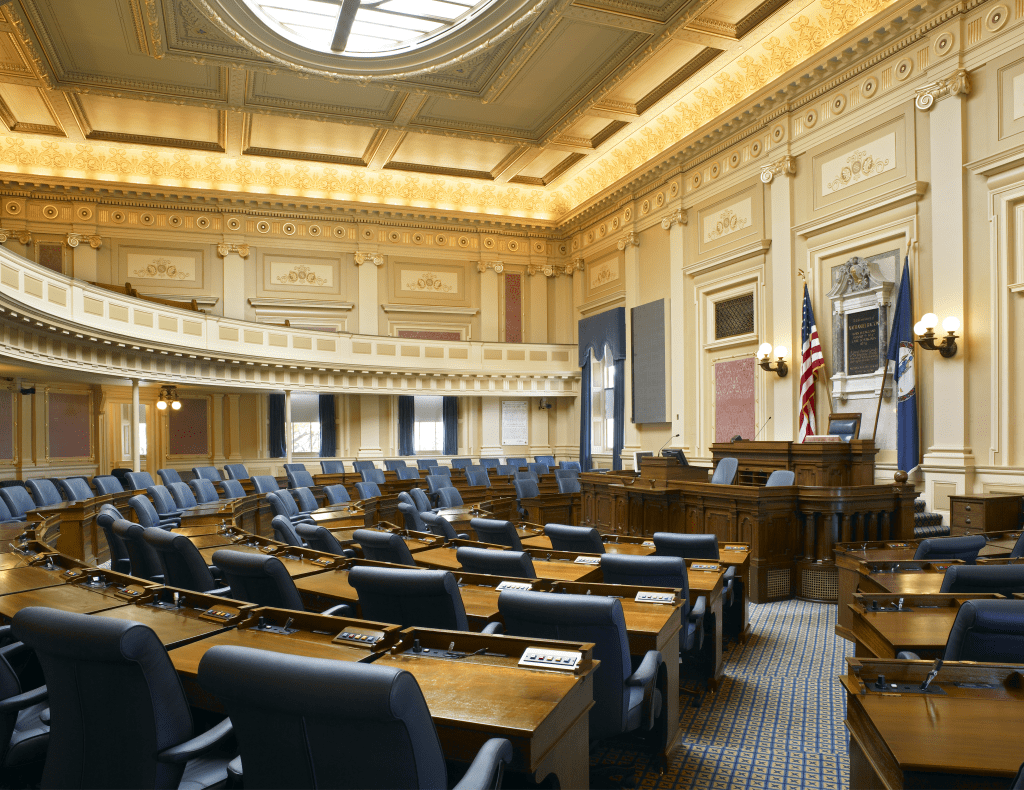
The Virginia General Assembly convenes its 2026 Regular Session on January 14 for a 60-day sprint that will shape the commonwealth’s political and economic direction for years to come. This session is notable not only for its scope, but for its power dynamics: Democrats enter with full control of the House of Delegates, the Senate, and the governor’s office, with Abigail Spanberger set to be sworn in on January 17.
For supporters, the trifecta represents an opportunity to advance long-stalled priorities. For critics on the center-right, it raises fresh concerns about fiscal discipline, public safety, and whether institutional guardrails will be tested without the moderating check previously provided by outgoing Republican Gov. Glenn Youngkin.
A Session Built on Vetoes Revisited
Much of the 2026 agenda consists of legislation passed in 2025 but vetoed by Youngkin. With those vetoes now gone, Democratic leaders are moving quickly to reintroduce and fast-track bills that touch nearly every major policy area.
Bills were prefiled beginning in late 2025 and can be tracked through Virginia’s Legislative Information System (LIS) or third-party platforms like LegiScan. Lawmakers face early February crossover deadlines, adding urgency to what is expected to be a packed docket.
Constitutional Amendments Take Center Stage
One of the earliest flashpoints will be four proposed constitutional amendments, all of which must pass again in 2026 before going to voters in November:
- Codifying reproductive rights, including abortion access and contraception
- Enshrining the right to marry for two adults
- Automatically restoring voting rights after completion of felony sentences
- Granting the legislature temporary authority to adjust congressional maps under certain conditions
While supporters frame these as protections against future political swings, skeptics argue that constitutional amendments should be narrowly tailored and rare — not tools for locking in policy preferences.
The “Affordable Virginia” Agenda
Economic policy will dominate much of the session, with Democrats pushing what they call an affordability package:
- Raising the minimum wage toward $15 per hour by 2028
- Mandating paid sick leave and exploring paid family and medical leave
- Expanding tenant protections, including limits on security deposits and late fees
- Increasing funding for eviction defense and legal aid
From a center-right perspective, the concern is not the goal of affordability, but the method. Mandates on employers and landlords risk increasing costs, discouraging small business growth, and tightening housing supply — potentially making affordability worse over time.
Criminal Justice and Gun Policy: A Sharp Divide
Criminal justice reform advocates are pressing to repeal mandatory minimum sentences, defelonize drug possession, and expand diversion programs. Supporters argue these are evidence-based reforms; opponents worry they may reduce accountability and strain already challenged local law enforcement.
Gun legislation is expected to be among the most contentious issues of the session. Proposals include bans on certain semi-automatic firearms, magazine limits, expanded “prohibited person” categories, vehicle storage rules, and even a $500 tax on firearm suppressors. These measures are likely to energize Second Amendment advocates who see them as punitive, ineffective, and disconnected from actual crime drivers.
Budget Pressures Ahead
The General Assembly must also adopt a new two-year budget for fiscal years 2027–2028, starting from Youngkin’s final proposal of roughly $100 billion per year. With slowing revenue growth and expanding commitments, lawmakers will face difficult trade-offs — a test of whether promises of affordability can coexist with fiscal restraint.
A Defining Session
The 2026 session runs through mid-March, with a potential reconvened session in April. For Democrats, it is a chance to deliver on campaign promises made in 2025. For Virginians watching from the center-right, it is a moment to scrutinize whether one-party control produces pragmatic governance — or ideological overreach.
Either way, this session will set the tone for Virginia politics heading into the 2026 elections and beyond.
 Virginia Bay News