

Tag: virginia courts
-

Staunton Opens New Juvenile and Domestic Relations Court — A Needed Upgrade With Real Costs for Taxpayers
Staunton has inaugurated its own Juvenile and Domestic Relations District Court, a significant step following the closure of a shared, non-compliant facility. While the $20-$25 million project enhances security and dignity for legal cases, concerns arise over taxpayer burdens and Virginia’s practice of unfunded local mandates.
-

Fairfax County Schools Settle Jane Doe Lawsuit: What the $50 Judgment Really Means
A lawsuit challenging Fairfax County Public Schools’ transgender-related policies ended with a modest settlement accepting $50 in damages and covering attorney’s fees. The case highlighted tensions between gender-identity policies and religious freedoms, indicating ongoing legal uncertainty as courts navigate diverging federal and state rulings on such issues.
-

Broken Bench Series 1: The Silent Crisis of Judicial Appointments
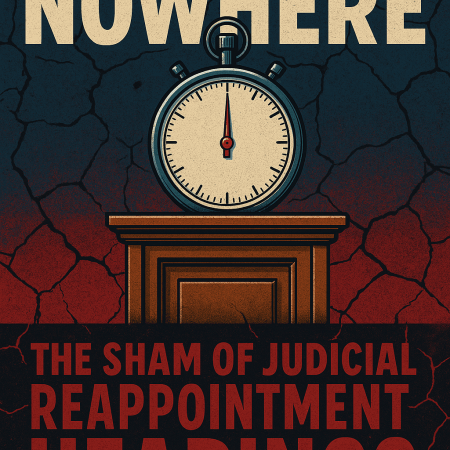
The judicial reappointment hearings in Virginia present a facade of public accountability, allowing only three minutes for citizens to speak, with their testimonies largely ignored. Despite personal stories of judicial misconduct, the process operates as a formality, contributing to a loss of trust in the judicial system and necessitating comprehensive reforms for genuine accountability.
-

Broken Bench Series 1: The Silent Crisis of Judicial Appointments
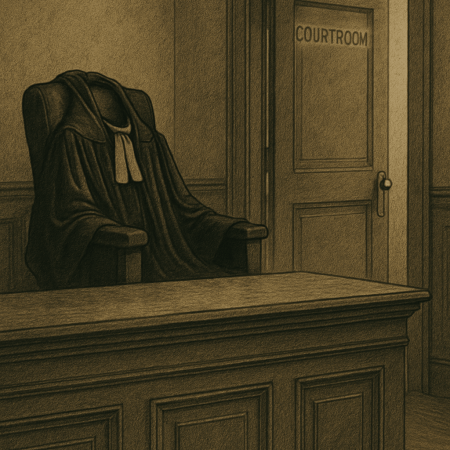
Virginia’s judicial appointment process is characterized by political cronyism, where insiders dominate while citizens remain excluded. Judges are appointed through backroom deals, leading to favoritism and lack of accountability. This entrenched political system erodes public trust and results in significant human costs for the vulnerable. Urgent reforms are necessary to restore democracy.
-

Broken Bench Series 1: The Silent Crisis of Judicial Appointments
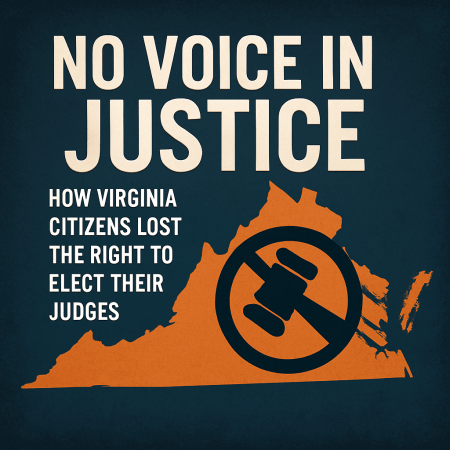
Virginia citizens have lost the right to elect judges, transforming judicial selection into a secretive system dominated by political insiders. This undermines accountability and democratic representation, with significant implications for civil rights and community health. A movement is growing to restore popular elections and empower citizens in judicial processes.
-

Kemler the Quitter: When Judges Walk Away From the Damage They’ve Done
Judge Lisa B. Kemler’s upcoming retirement in 2025 is viewed by some in Virginia’s legal community as graceful, but many families feel abandoned by her decisions. Her tenure contributed to a failing system, leaving victims unprotected and families fractured. Her exit symbolizes a troubling trend of judges avoiding accountability, prioritizing profit over justice.
-

The Revolving Door of Injustice: How The McCammon Group and Juridical Solutions Profit Off the Broken System They Helped Create
In a world where family court and civil litigation have become synonymous with prolonged suffering and endless bills, a growing sector quietly rakes in profits by exploiting the very chaos it claims to cure: Alternative Dispute Resolution (ADR). Two major players dominate Virginia’s private ADR scene: The McCammon Group and Juridical Solutions PLC. On the…
-

The Quiet Exodus: Why Virginia Judges Like Lisa B. Kemler Are Retiring Early
In 2025, Virginia experiences a wave of early judicial retirements led by Judge Lisa B. Kemler, raising concerns about the judiciary’s future. Factors include better pay in private dispute resolution, declining public trust, overwhelming backlog pressures, fear of accountability, and pension incentives. This trend highlights a broken judicial system needing reform.
-

Maryland and Virginia Need Their Own TRUST Act: It’s Time to Pull Back the Curtain on Judicial Bias
Texas has introduced the TRUST Act to enhance judicial transparency by requiring judges to disclose financial contributions from parties appearing in their courts. This initiative addresses concerns over bias due to political contributions, aiming to restore public confidence in the legal system. Maryland and Virginia should adopt similar measures to ensure fairness and accountability in…